The over-arching goal of {TESS+} field services is to make the UNSMS compliant with UN SCS standards to efficiently support operations. {TESS+} provides active field support, guiding and assisting the UNSMS in establishing pragmatic and cost effective SCS solutions. These services include field support covering implementation of SCS recommendations following an assessment of the SCS and on-demand support. {TESS+} aims to provide field services remotely where possible, and if remote support is not feasible, a field mission by a member of the {TESS+} core service team is arranged in collaboration with country stakeholders to support country UNSMS and local ICTWGs. Field support from {TESS+} includes the following:
A) Support to implement SCS standards:
{TESS+} provides remote and onsite technical guidance, training and capacity building to support UNSMS implement SCS assessment recommendations, including but not limited to:
- SCS technical support missions (such as RSOC, radio bridging, VHF/UHF repeater linking implementation)
- Onsite and remote training on SCS management, design, deployment, maintenance and support
B) On-demand support:
{TESS+} provides remote and onsite technical support to resolve more complex technical and procedural SCS issues, for which local local UNSMS or technical teams require assistance to handle.
Reporting
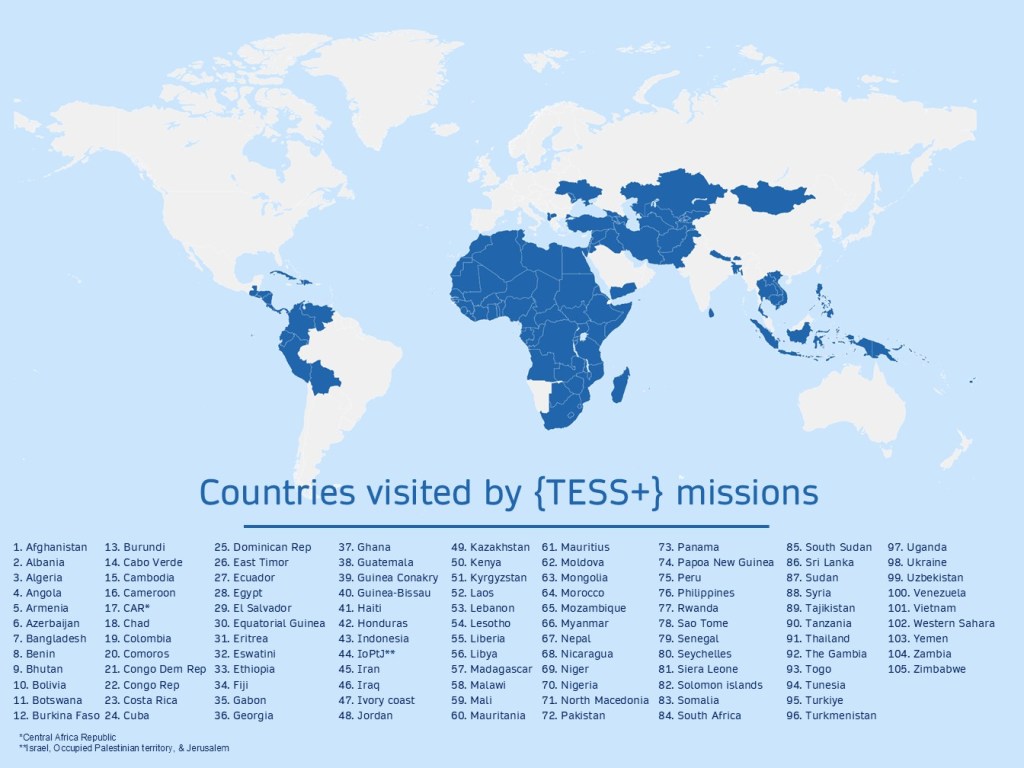
{TESS+} has already provided support to more than 89 countries since 2018. A detailed report is produced as an output from all {TESS+} assessment and technical support missions covering the findings and associated recommendations stemming from the mission. {TESS+} assessment reports are sent to the country’s Designated Official (DO) and Security Advisor. With the support of the Security Management Team (SMT) the DO, as the person accountable for the SCS, endorses the report. {TESS+} assessment reports are available to UNSMS personnel only and are available to download from the {TESS+} Restricted Library and UNSMIN website (password required).
The map below depicts the countries visited by {TESS+} as of March 2025.
- {TESS+} mission reports (access for UNSMS personnel only) via UNSMIN or {TESS+} Restricted Library
- Consolidated SCS country scorecard (accessible by UN personnel only)
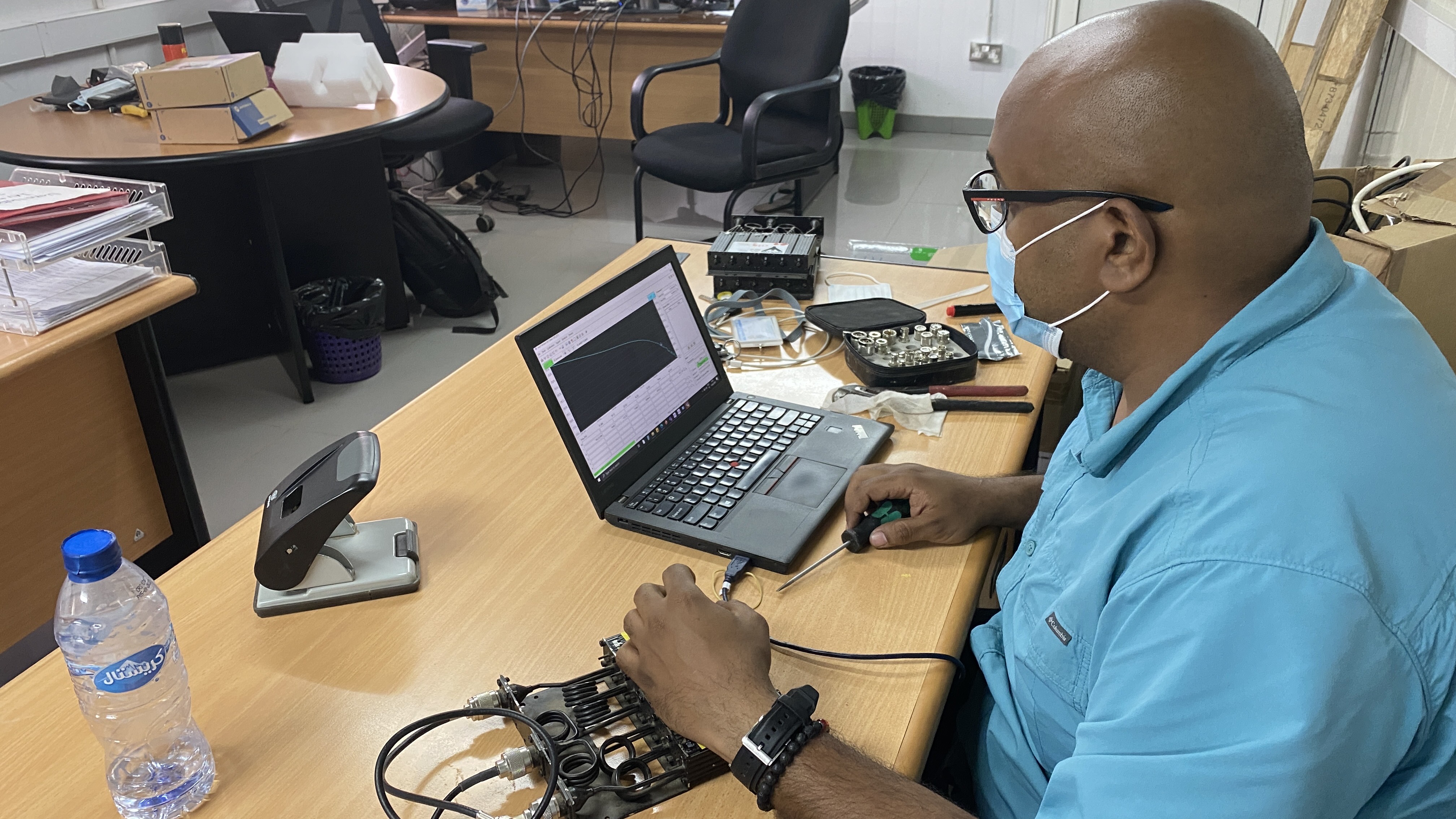
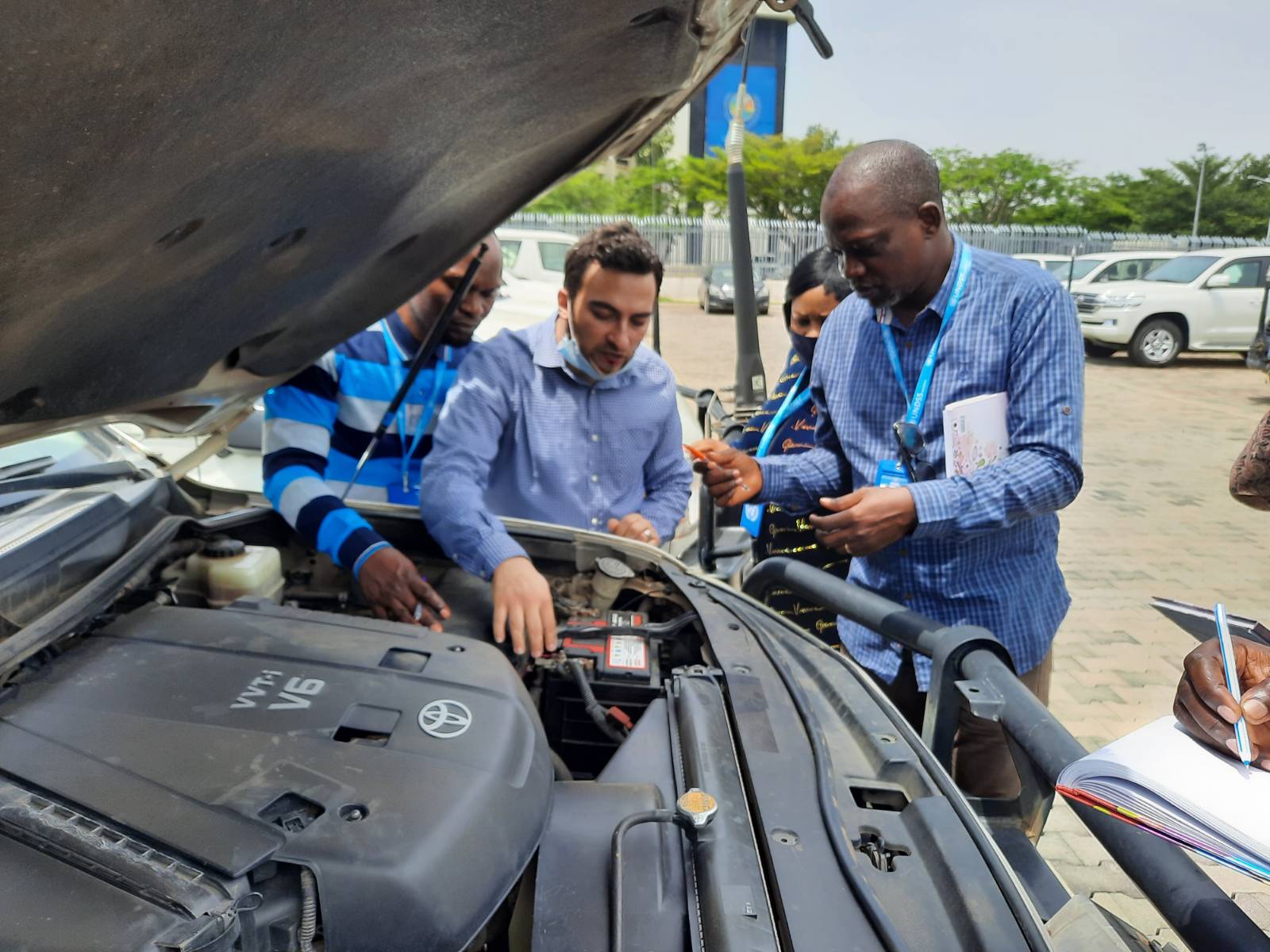
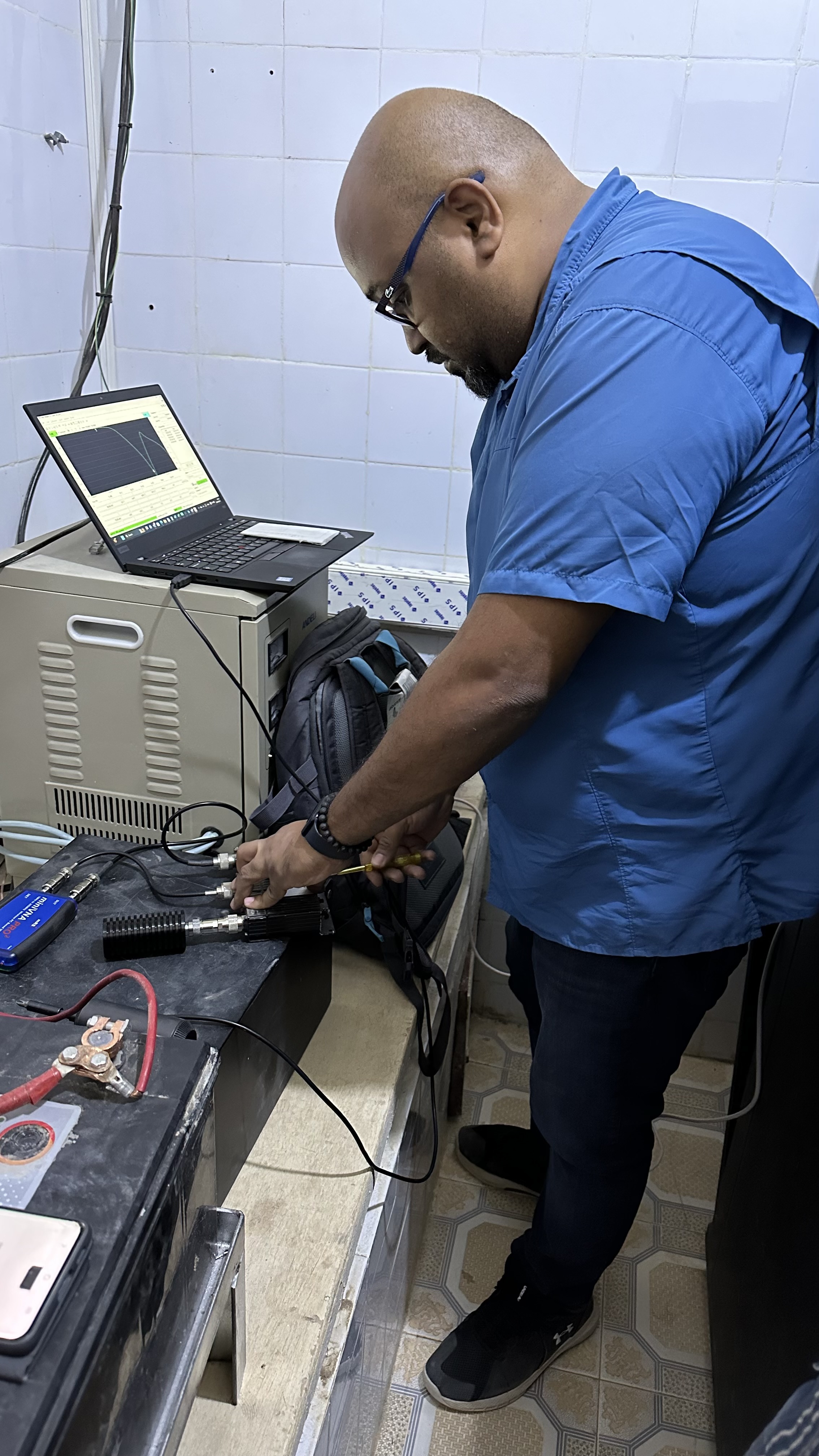
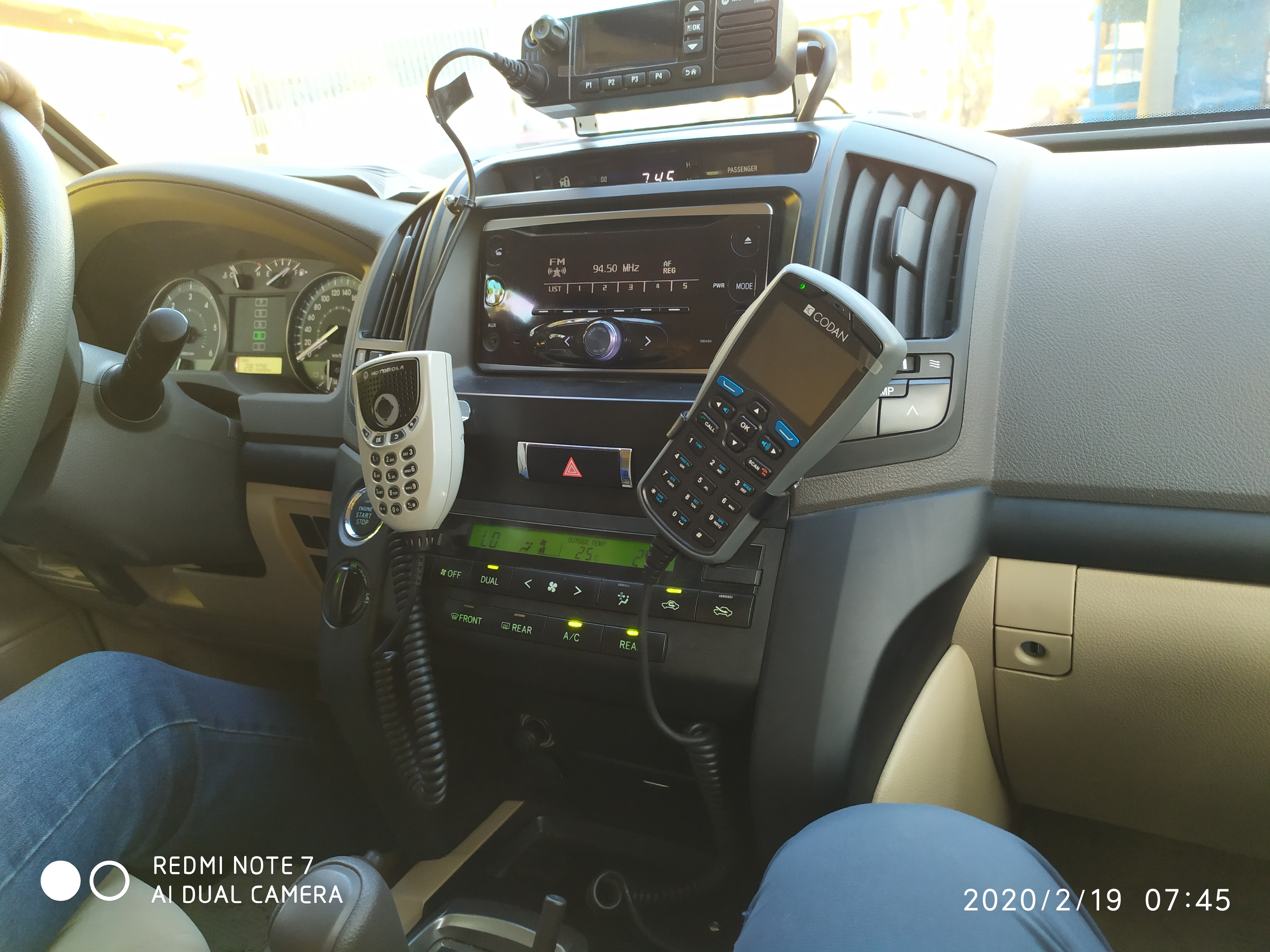
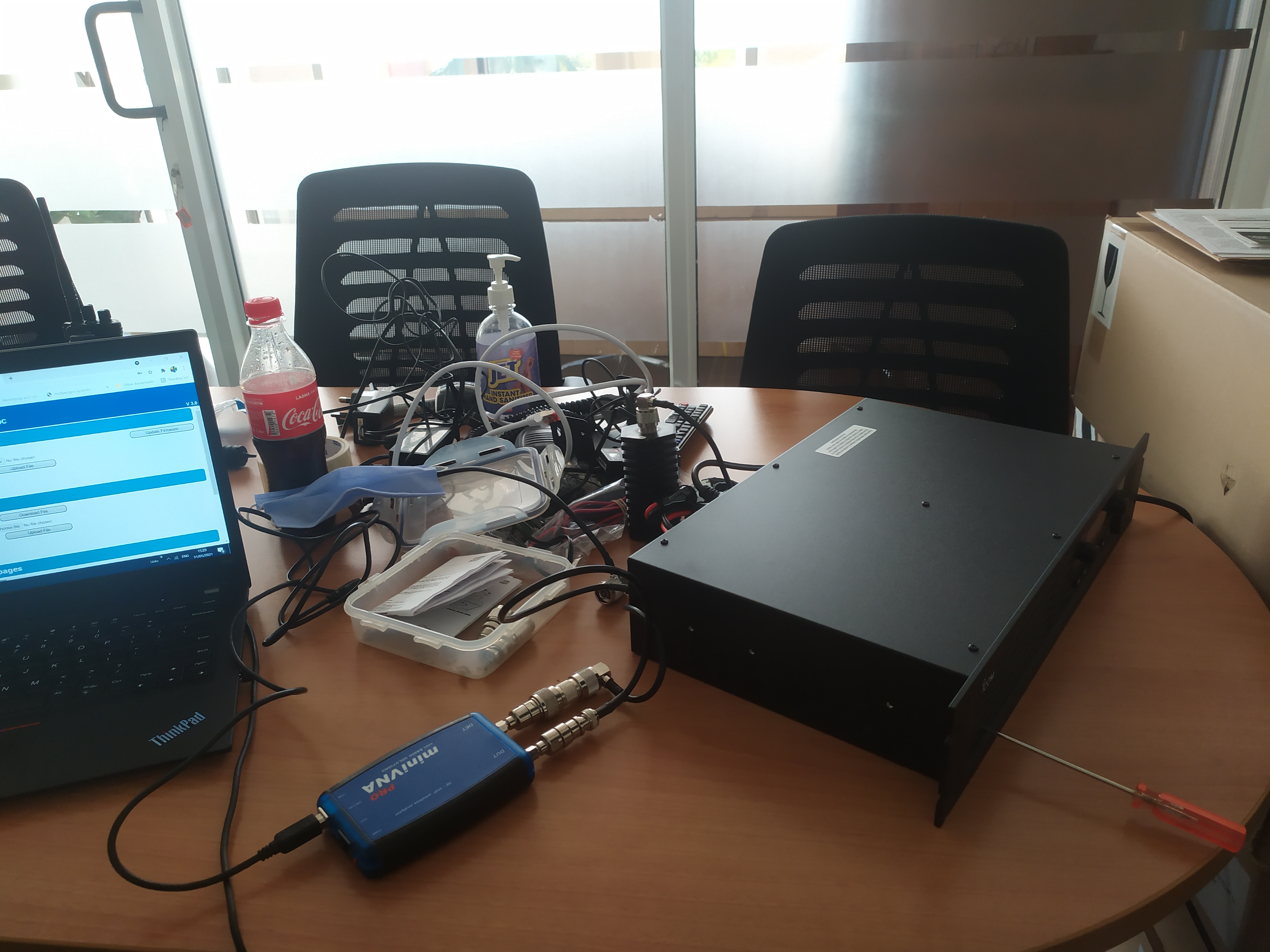
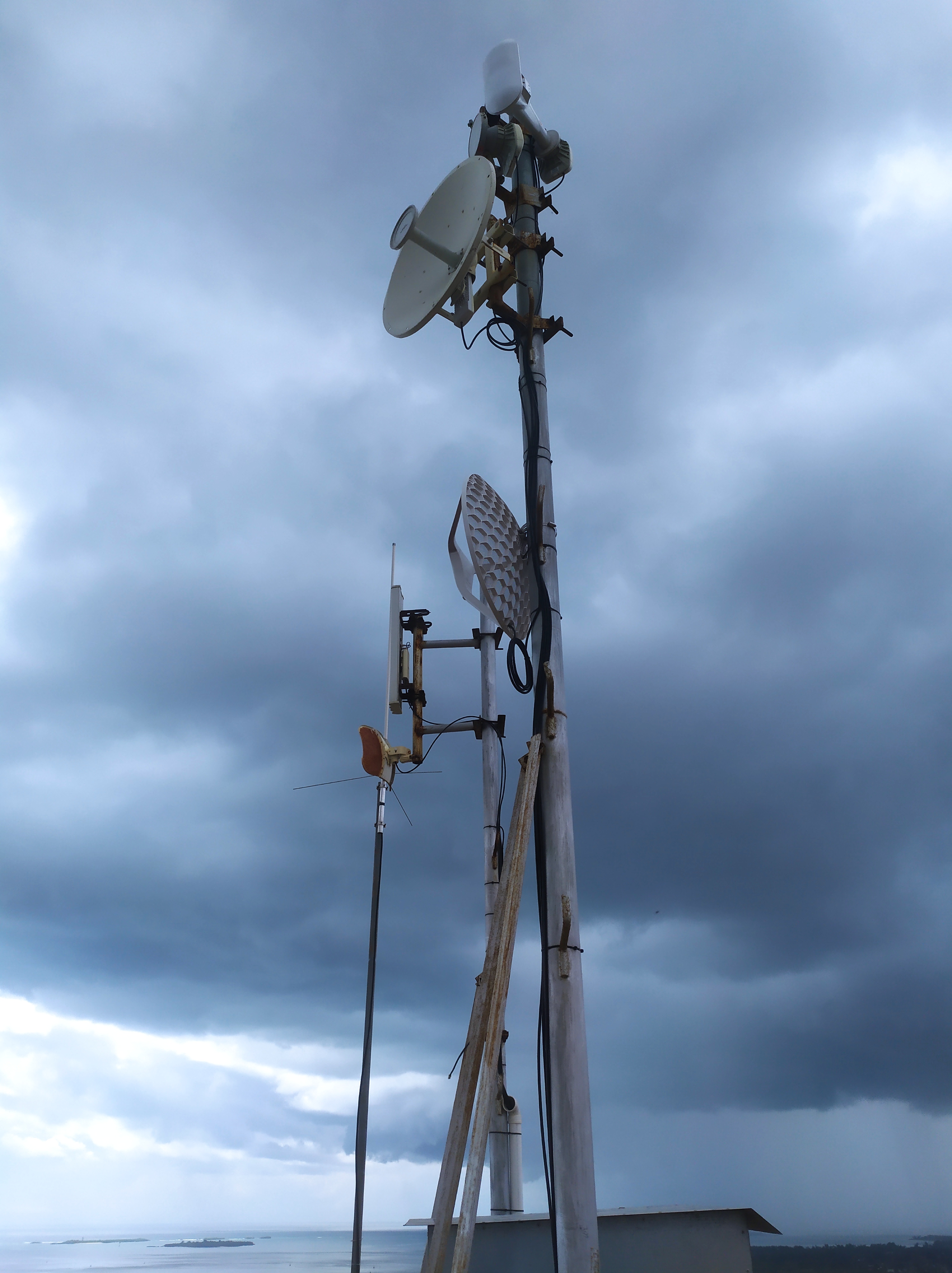
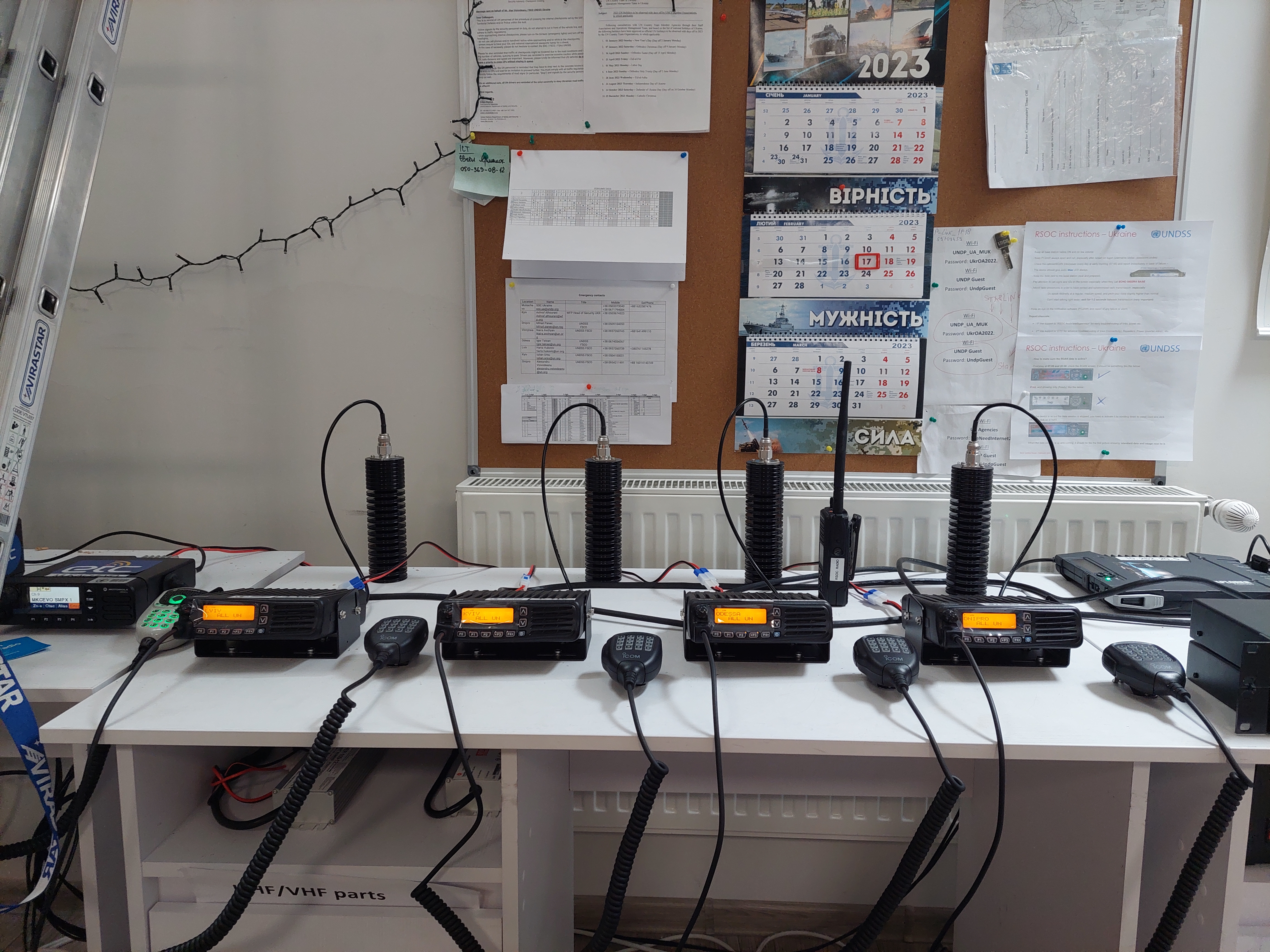
Photos of {TESS+} in the field
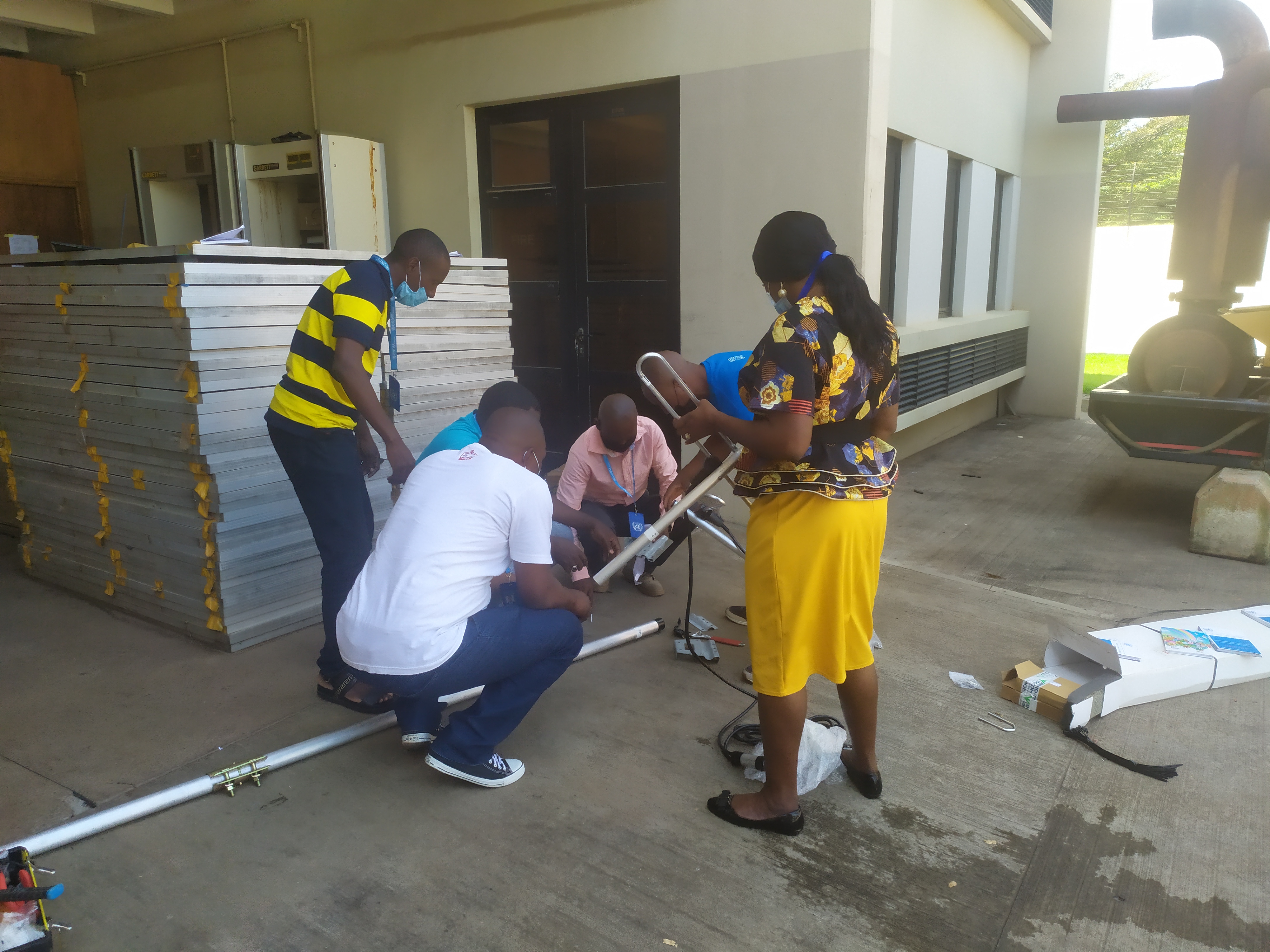
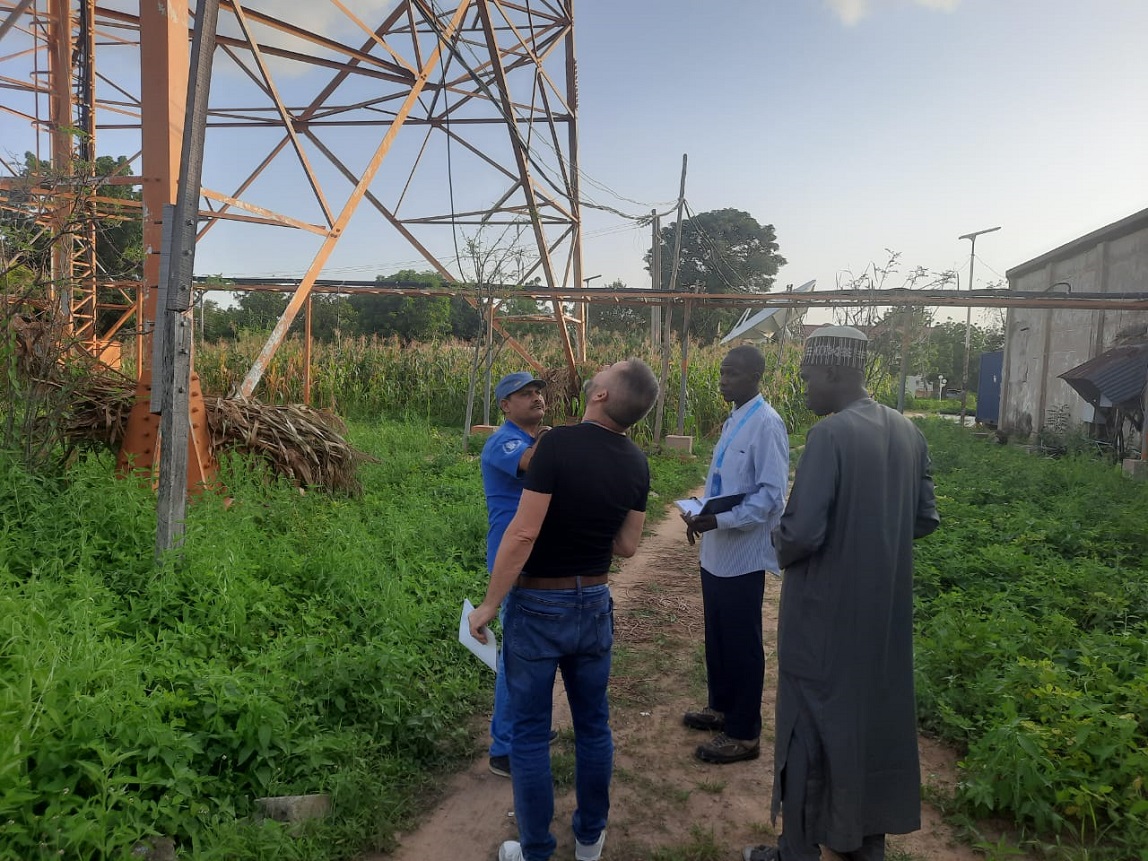
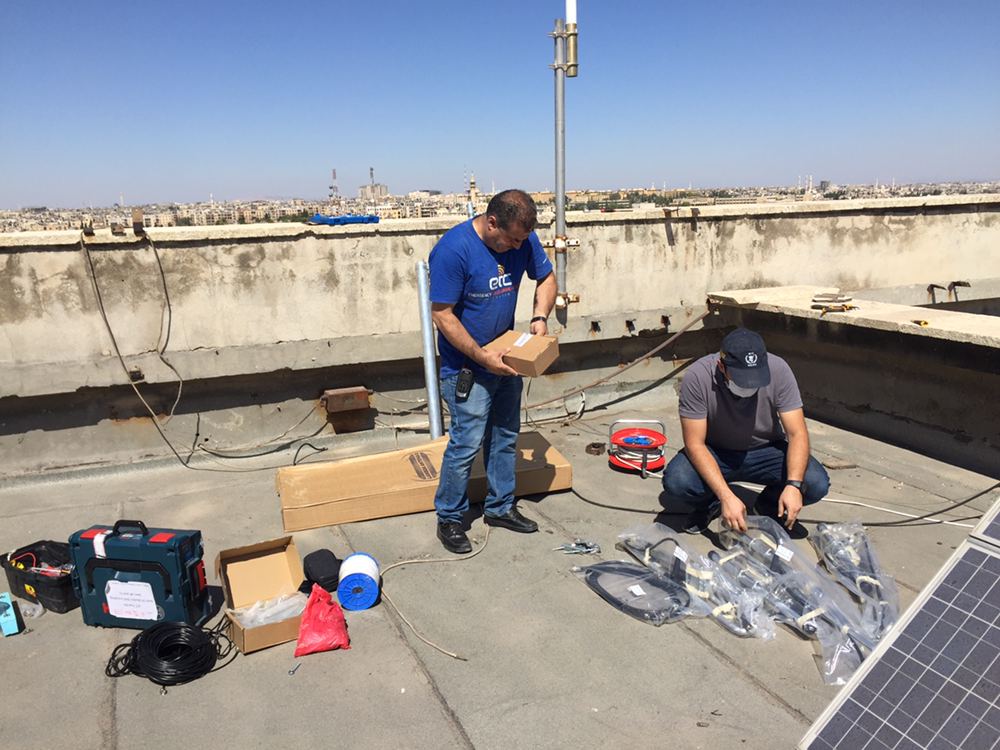
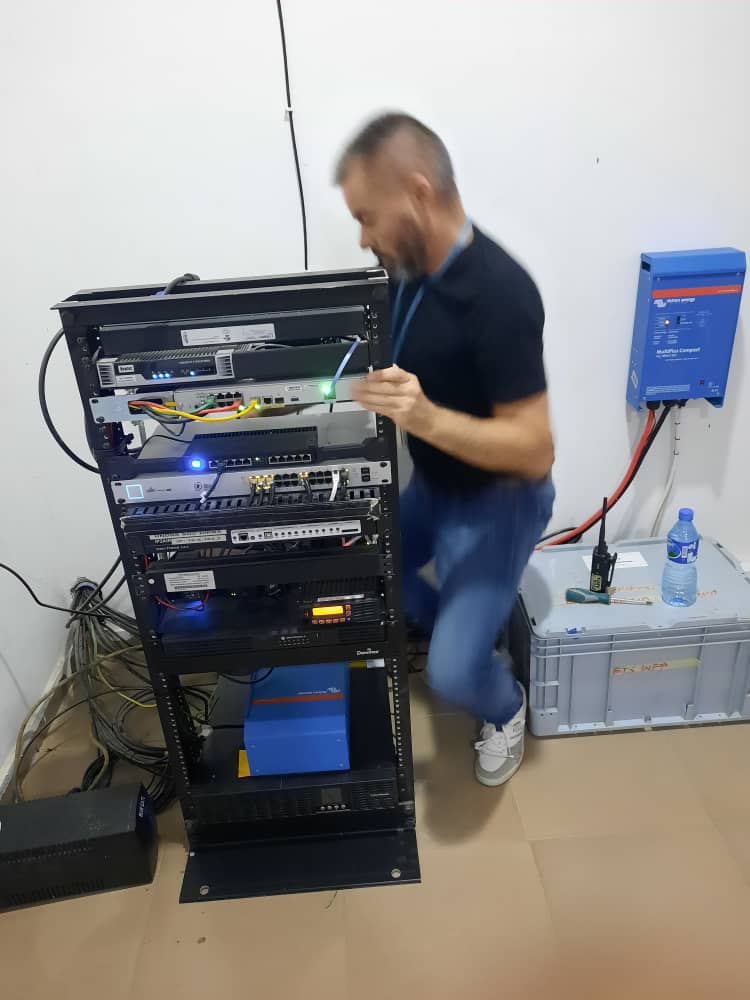

{TESS+} field support process:
- A request for support (SCS country assessment request, standards implementation support or on demand support) is received from country stakeholders.
- The {TESS+} Senior Programme Manager (SPM) allocates a case officer from the {TESS+} Core Service Team (CST) who contacts the target operation to assess the request and evaluate if a mission is needed, or if the issue can be handled remotely.
- If the issue can be handled remotely, the {TESS+} case officer coordinates all tasks needed and liaises with the country focal point(s).
- If the issue requires an in-country mission, the target operation is included in the overall mission schedule:
o {TESS+} mission prioritization is completed.
o The SPM (or delegated {TESS+} Core Service Team member) drafts, in coordination with the local UNSMS team, a Terms of Reference (ToR) with accompanying mission schedule, and requests formal approval by the DO and UNDSS Security Advisor in the target operation.
o Based on the agreed ToR, the mission is scheduled and conducted. It typically includes remote preparations with key UNSMS personnel, the UNDSS Security Advisor and members of the ICTWG, who are also the key partners during the mission.
o After the mission is completed, a mission report is drafted by {TESS+} and reviewed by key stakeholders. The final version is sent to the DO and the UNDSS Security Advisor. {TESS+} mission reports are published on UNSMIN and {TESS+} Restricted Library and distributed to the involved local, regional and HQ stakeholders. - Post-mission, the country case officer follows up and monitors the post-mission implementation of the recommendations or technical plan.
- {TESS+} prepares a consolidated overview of the SCS status in all supported countries using the SCS Country Scorecard methodology. The consolidated SCS Country Scorecard is prepared annually with input from country focal points and includes the status of the endorsement and implementation of the SCS recommendations from the {TESS+} assessment reports as well as the overall status of the SCS.
Testimonies from the field:
Luc Vandamme
Director Security Office,
UNDP (2020).
UNDP approached {TESS+} for a common project to test the suitability of the Iridium PTT network [as an SCS tool]. Working with UNDP Haiti, regional security and ICT teams, the project’s output assisted UNDP, and the UNSMS in general, in optimizing its security communications.
The {TESS+} team proves to be a valuable partner, bringing in key private sector partners, and providing technical expertise and project guidance.
Marco Smoliner
Security Advisor,
UNDSS, Tanzania (2021).
The experts from {TESS+} are hand-on people who understand the field-telecom needs and speak the language of our technical guys on the ground. Their assessment was thorough, yet quick and clear, well presented and written up and helped us to get on track in our technical and organisational transition from multiple radio rooms to one SOC for the country. And they remained reachable for us along the way. Knowledge sharing at its best by smart and experienced colleagues.
Mopeli C. Nthejane
Field Security Associate,
UNDSS, Lesotho (2019).
Myself, the DO/SMT and relevant Working Groups were very happy with {TESS+} support. {TESS+} carried out an assessment at the regional level and additionally sent technical support for two weeks. The {TESS+} specialist trained my Security Operations Centre Associates and provided us with necessary software and code plugs tools. He regularly calls us to find out if further support is required and understand progress made on to do activities since his mission.
 {TESS+} Telecommunications Security Standards