From 8 to 22 November, Moaied Altai, Senior IT and Telecommunications Specialist for the Telecommunications Security Standards or {TESS+}, embarked on a mission that will transform the security communications system in Somalia.
This mission marked the launch of not one, but two Remote Security Operations Centre (RSOC) in the country mired with security and operational challenges. The RSOC is a pivotal step in unifying and strengthening the country’s security infrastructure, enabling the monitoring of multiple remote locations from two central security hubs.
Setting the stage in Mogadishu, Moaied began with a briefing with the United Nations Department of Safety and Security (UNDSS) colleagues to align on the mission objectives and collaborated with the United Nations Support Office in Somalia (UNSOS) and the ICT working group to gather and finalise critical device configuration details. To ensure that the security professionals who would operate and oversee the RSOC are well equipped with the right technical skills, he also conducted training sessions for five RSOC assistants and 12 ICT working group members.
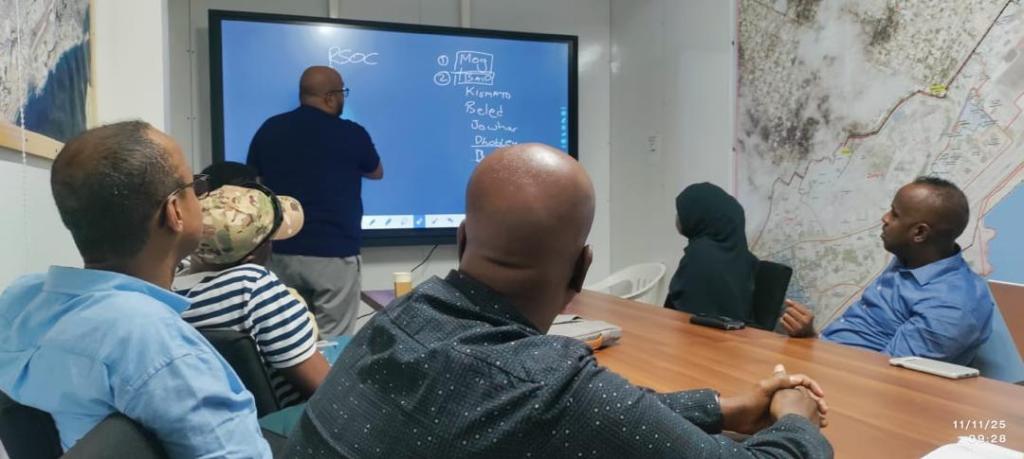
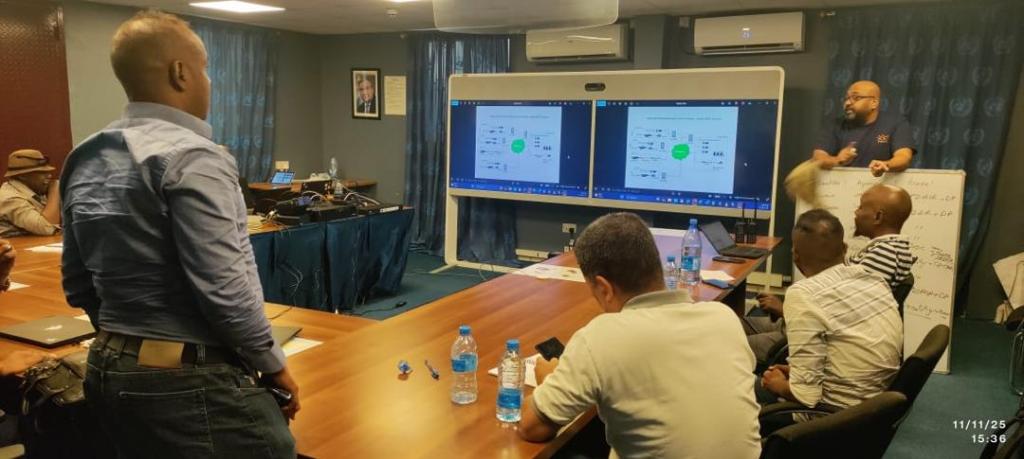
Originally, the plan was to deploy two RSOC solutions – one in Mogadishu and another in Baidoa – with each RSOC monitoring four locations. However, a key change in the plan enabled the interoperability of the two RSOCs and the remote locations. With this, the two RSOCs will be able to monitor all sites, ensuring robust redundancy and a solid backup. If one RSOC ever goes offline or inoperable, the other can instantly take over in transmitting and receiving security information from all the linked locations, keeping security operations uninterrupted.
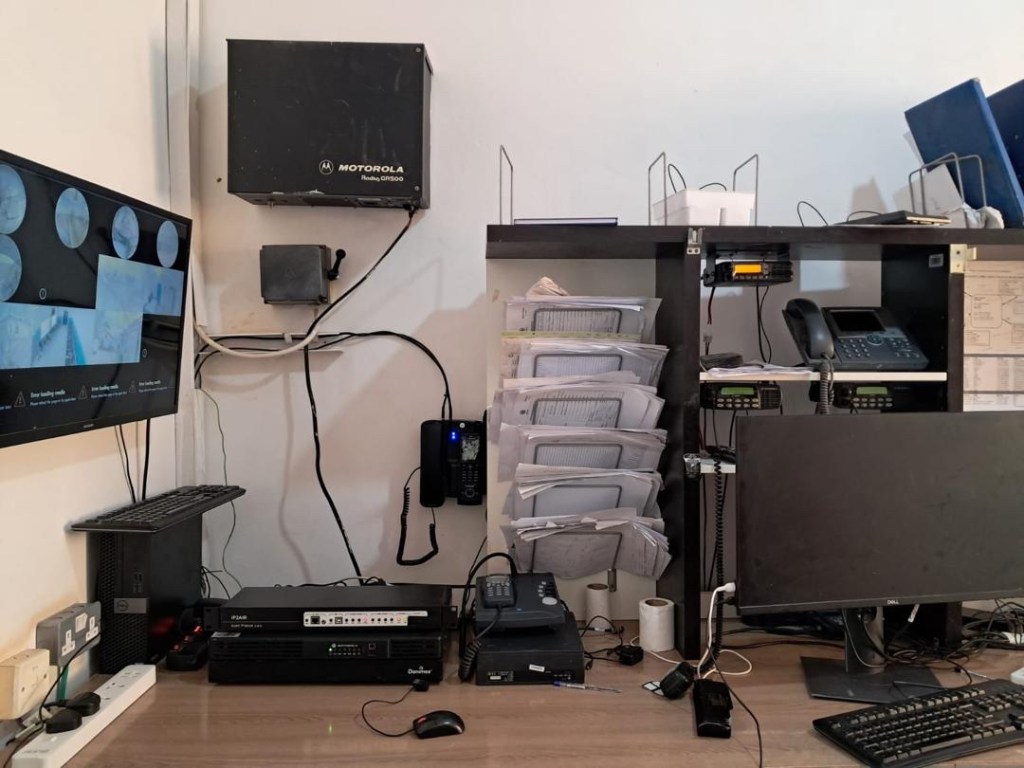
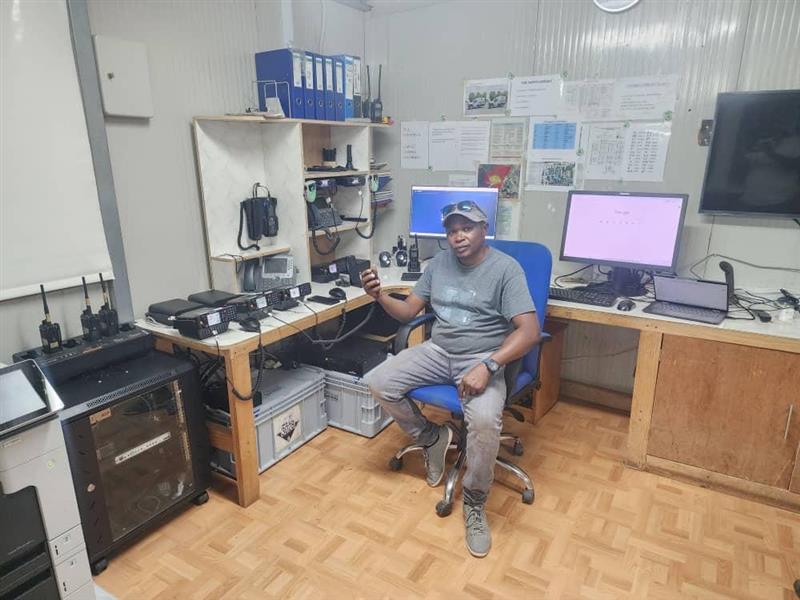
Some sites already had communications equipment ready to connect to the RSOC and be instantly monitored, while others awaited new installations. Moaied personally oversaw and conducted the setup and activation of the radio equipment at one key location – Galkayo.
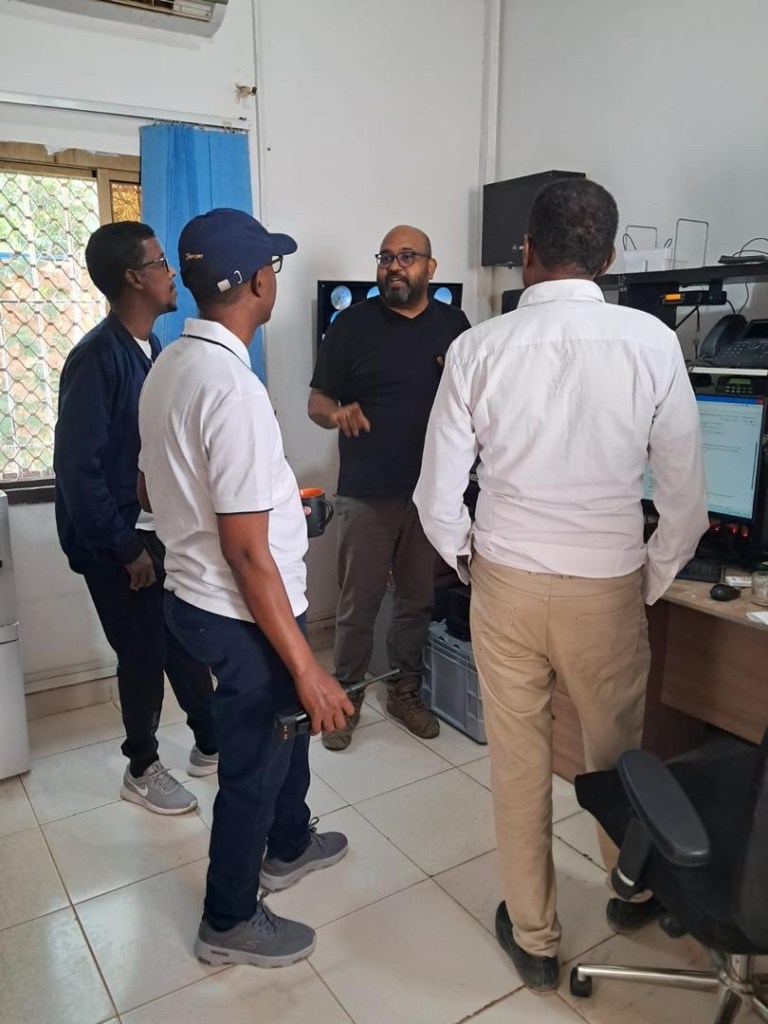
From Mogadishu, Moaied travelled to Galkayo, the country’s third largest city located in north-central Somalia. Galkayo is among the locations that will be monitored by the RSOC in Mogadishu. There, he spent a couple of days installing equipment and providing hands-on training for the staff who will operate the equipment.
Meanwhile, Alexis Mukumbo, a telecommunications assistant from UNDSS shadowed Moaied in his mission and separately travelled onwards to Beledweyne, a city in central Somalia. There he successfully completed the installation and linked the site to the RSOC.
When asked about how he thinks the RSOC will improve security comms in Somalia, Alexis says:
“The RSOC project has come at the ideal time when we, in Somalia (and globally), are hit by funding shortage issues. Most of our regional operations centres in the past were either understaffed or had no RSOC assistants at all. With the RSOC successfully deployed, we will be able to monitor remote locations 24/7 and immediately report on security issues, UN staff movement and presence, and missions are centralised and tracked real-time from two back-to-back locations. With the regional operations centres being phased out by the end of 2025, we will highly benefit from the RSOC as all sites will have been left unmanned if not for the new RSOC. This is a key push factor for us to have the RSOC system all up and running by mid-December.”
What’s next?
The local UNDSS team is finalising the RSOC in Baidoa and planning to complete the installations in Dolow, Hargeisa, Bosaso, Garowe, Jowhar, and Kismayo and have the entire RSOC system fully operational by mid-December.
Looking ahead and back at his duty station, Moaied continues to remotely monitor the RSOC rollout and the ongoing communications equipment installation, ensuring that every location is seamlessly integrated into the new and centralised networks in Mogadishu and Baidoa.
“The RSOC project is not just a technical upgrade for UNDSS, but a leap forward in safeguarding communities and empowering humanitarian and development teams working across Somalia,”
says Moaied, emphasising the achievement of having two fully interoperable RSOCs to support resilient and robust security monitoring in the country.
Written by: Catherine Mones (Information Management Officer, {TESS+}
 {TESS+} Telecommunications Security Standards